Snapshot:
- A full roof replacement in Des Moines typically involves inspection, material selection, permitting, tear-off, and installation timed around the region’s freeze-thaw weather patterns.
- Asphalt shingles remain the most common choice locally, though metal and impact-resistant options are gaining ground for hail-prone areas.
- Planning around seasonal timing and verified local contractors helps avoid delays tied to Iowa’s variable climate.
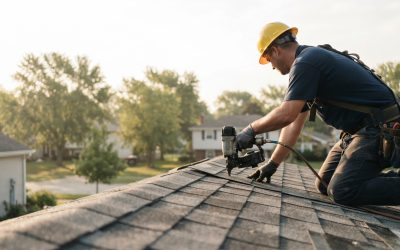
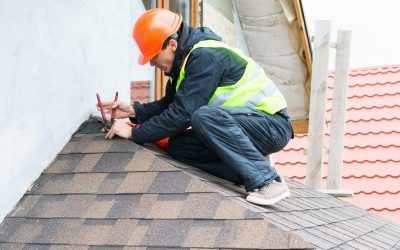
A roof replacement is the process of removing an existing roof system down to the deck and installing new underlayment, flashing, and shingles or panels, rather than patching isolated problem areas. Homeowners in Central Iowa typically pursue this option when a roof is near the end of its service life, has widespread storm damage, or shows signs that repairs alone will not resolve.
Why Local Climate Shapes Replacement Timing
Des Moines sits in a climate zone known for sharp seasonal swings, and that matters for roof planning. A Roof Replacement in Des Moines IA project often gets scheduled around spring or fall precisely because extreme summer heat and winter cold can complicate installation and curing of certain materials.
Iowa’s freeze-thaw cycles place real mechanical stress on roofing systems over time. Research on Iowa building conditions notes that the state commonly experiences repeated freeze-thaw cycles each winter, which stresses building materials and opens up weak points in aging roof components, according to the Iowa climate and crawlspace conditions report. This cycle, combined with heavy snow loads and spring storms, is a major reason roofs in this region age differently than those in milder climates.
Choosing Materials That Fit Iowa Conditions
Material selection affects both upfront cost and how a roof performs over its lifespan. According to NRCA’s roofing installation guidance, most new roofs are designed to provide useful service for about 20 years, though actual lifespan depends on local climate, material quality, and proper installation. Three material categories are commonly installed in the Des Moines area:
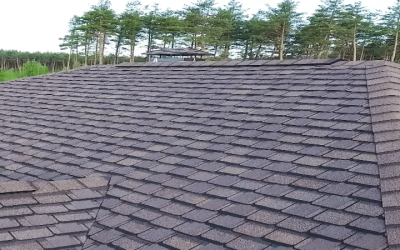
- Asphalt shingles: The most widely used option for area homes, valued for affordability and broad availability.
- Metal roofing: Chosen for longevity and energy efficiency, particularly on homes seeking a longer-term system.
- Impact-resistant shingles: Designed to hold up against the hail events that are common across Central Iowa.
Comparing Common Roofing Materials
| Material | Typical Strength | Best Suited For |
|---|---|---|
| Asphalt shingles | Affordable, widely available | Most residential homes |
| Metal roofing | Long-term durability, energy efficiency | Homeowners planning for decades of use |
| Impact-resistant shingles | Built to resist hail damage | Storm-prone neighborhoods |
Steps Homeowners Should Expect
A replacement project generally follows a predictable sequence, even though timelines vary by property size and material choice.
- Inspection: A contractor examines the deck, flashing, and shingles for granule loss, soft spots, or storm damage.
- Material and budget planning: Homeowners weigh cost against expected service life for their chosen material.
- Tear-off and deck check: The old roofing is removed so the deck can be inspected for rot or damage before new material goes down.
- Installation: New underlayment, flashing, and roofing material are installed according to manufacturer specifications.
- Final walkthrough: A completed project should include a review to confirm the work matches what was planned.
Homeowners in neighborhoods such as Beaverdale, the East Village, or the South Side of Des Moines face similar material and weather considerations, even though the age and style of homes can vary by area. Commercial property owners should note that retail centers, industrial facilities, and office buildings often require different roofing systems than residential homes, so scope and material needs should be confirmed early in planning.
Frequently Asked Questions
How do I know if I need a repair or a full replacement? Isolated issues like a few missing shingles or a single flashing leak often point to repair, while widespread granule loss, multiple leak points, or a roof nearing the end of its expected service life usually points toward full replacement.
Does Iowa weather really affect how long a roof lasts? Yes. Repeated freeze-thaw cycles, heavy snow, and hail events common to Central Iowa place cumulative stress on roofing materials, which is why local climate is factored into both material choice and installation timing.
What time of year is best for roof replacement in Des Moines? Spring and fall are generally preferred because they avoid the extreme heat of summer and the freezing temperatures of winter, both of which can affect material handling and installation quality.
Is metal roofing a practical option for Des Moines homes? Metal roofing is used in the area for its longevity and energy efficiency, making it a reasonable option for homeowners planning a longer-term investment, though cost and home style should factor into the decision.
Planning Your Next Step
This is a locally based roofing and exterior contractor serving the greater Des Moines area, offering installation, replacement, and repair services built around the region’s seasonal weather demands.
Homeowners weighing material options or unsure whether a repair or full replacement makes sense can benefit from a professional inspection before committing to a project timeline. For those ready to explore services, request information, or review local providing in more detail, Iowa Roofing & Exteriors provides a starting point for that conversation. Readers can also Visit Website to review additional details on materials and service areas before scheduling an inspection.