Recap:
• Personal injury therapy typically combines manual treatment, rehabilitative exercise, and documentation to support both physical recovery and insurance or legal claims.
• Chiropractic-based care is one conservative option for whiplash, soft tissue strain, and musculoskeletal pain following an accident.
• Evidence supports manual therapy paired with exercise for neck and back pain, though results vary by individual and injury type.
Recovering from a car accident, slip-and-fall, or workplace strain often involves more than rest. Personal Injury Therapy refers to a structured course of conservative treatment, including chiropractic adjustment, manual therapy, and rehabilitative exercise, aimed at restoring function after an acute injury. For residents of Uptown, Minneapolis, understanding what this type of care involves can help clarify options before committing to a treatment plan.
Learn More About Lyn Lake Chiropractic is a Minnesota chiropractic practice whose original flagship location sits in the Uptown and South Minneapolis area. Its clinic team, which includes multiple doctors of chiropractic, works with patients recovering from back pain, neck pain, sports injuries, and accident-related trauma.
What Personal Injury Therapy Typically Involves
Conservative care after an accident usually follows a sequence rather than a single visit. A licensed provider evaluates the injury, documents findings, and builds a plan around the patient’s specific symptoms.
Common components include:
• Initial exam and documentation – range-of-motion testing, symptom history, and sometimes imaging to establish a baseline.
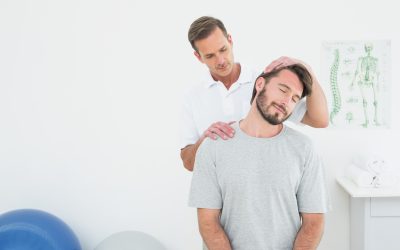
• Manual therapy or spinal manipulation – hands-on treatment intended to address joint restriction and muscle tension.
• Rehabilitative exercise – movement-based work to rebuild strength and prevent recurring strain.
• Follow-up reassessment – periodic check-ins to track progress and adjust the plan.
This stepwise approach matters because spinal manipulation can be helpful for acute neck pain, and manipulation or mobilization can be helpful for chronic neck pain. For longer-lasting symptoms, a 2019 review of 47 trials covering 4,460 participants on spinal manipulation or mobilization concluded these treatments may reduce pain and improve function.
What the Research Says About Effectiveness
Expectations matter when choosing a recovery path. According to the National Center for Complementary and Integrative Health, evidence on spinal manipulation varies by condition and tends to show modest, not dramatic, benefit.
A few patterns stand out in current research:
| Injury Type | Evidence Strength | Typical Approach |
| Acute neck pain | Moderate | Manipulation plus home exercise |
| Chronic neck pain | Low to moderate | Manipulation or mobilization combined with other care |
| Cervicogenic headache | Limited but supportive | Spinal manipulation over several sessions |
| Whiplash-associated pain | Mixed, short-term benefit shown | Manual therapy combined with rehab exercise |
Research reviewed by Physiopedia notes that for patients with acute neck pain, either spinal manipulation or home exercises appeared more effective than medication in the short and long term in an NCCIH-funded study of 272 patients. Reviewers also caution that a 2015 Cochrane systematic review found no high-quality evidence assessing spinal manipulation’s effectiveness for neck pain specifically, though moderate-to-low-quality evidence suggests multiple sessions may improve pain and function compared with certain medications.
Safety Considerations and Realistic Expectations
No conservative treatment is risk-free, and patients benefit from understanding the tradeoffs before starting care. Cervical manipulation carries a documented, though rare, risk profile worth discussing with any provider.
Key safety points include:
1. A type of spinal manipulation focused on the neck has been linked to small, potentially dangerous tears in the artery walls, called cervical artery dissections, though these events are uncommon.
2. Large-scale Medicare data analysis found that cervical spine manipulation is unlikely to cause stroke, with the incidence of any type of stroke among patients found to be extremely low.
3. Documentation from each visit, including symptom tracking and functional testing, supports both clinical decision-making and any related insurance claim.
Patients recovering from an accident in the Uptown, Minneapolis area often weigh these factors alongside personal medical history and the nature of the injury itself. Based in USA, Learn More About Lyn Lake Chiropractic serves patients across the Uptown, Minneapolis area without maintaining a physical office there.
Frequently Asked Questions
How soon after an injury should therapy start? Clinical guidance generally favors earlier evaluation over delay, since untreated soft-tissue injuries can develop compensatory patterns that complicate later recovery.
Is chiropractic therapy the same as physical therapy? No. Chiropractic care centers on manual adjustment and joint mobility, while physical therapy emphasizes guided exercise and functional rehabilitation; many recovery plans use elements of both.
Does insurance typically cover this type of care? Coverage depends on the policy and state requirements; patients should confirm benefits directly with their insurer before beginning a treatment plan.
How long does a typical recovery plan last? Duration varies by injury severity and individual response, ranging from a few weeks for mild strain to several months for more complex whiplash-associated symptoms.
A Note on Choosing Care
Selecting a provider for accident-related recovery is a personal decision that should account for injury type, documentation needs, and comfort with the recommended treatment approach. Details about service area and clinic background for Learn More About Lyn Lake Chiropractic are available for residents weighing their options after an accident.