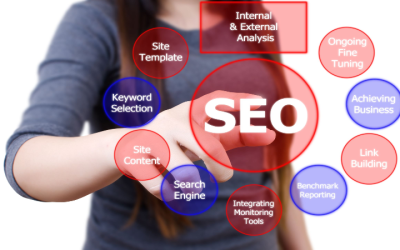
In today’s digital-first marketplace, standing out online is more challenging—and more essential—than ever. American businesses are experiencing a fundamental shift in how consumers discover products, services, and information. While search engine optimization (SEO) has long been the cornerstone of online visibility, the rapid rise of artificial intelligence is transforming the way search engines understand and present content. As a result, many businesses are now searching for advanced solutions like generative engine optimization services to secure and expand their online presence.
The Evolution of Search: From Traditional SEO to Generative Engine Optimization
Traditional SEO has always focused on optimizing websites for search engines like Google and Bing. This involved keyword research, on-page optimization, technical improvements, and link building. However, with the emergence of AI-powered search engines and generative AI platforms, the digital landscape is evolving. These new engines don’t just retrieve information—they generate answers, synthesize content, and provide contextually rich responses tailored to user queries.
Generative Engine Optimization (GEO) is the next phase in digital marketing. It’s designed to help businesses adapt to AI-driven search environments by ensuring their content is discoverable, understandable, and usable by generative engines. This means optimizing for AI algorithms that analyze content differently than traditional search engines, focusing on semantic meaning, entity recognition, and natural language processing.
Why US Businesses Need Generative Engine Optimization Services
American consumers are increasingly interacting with generative AI tools, from voice assistants to chatbots and smart devices. As these technologies become mainstream, businesses that fail to adapt risk losing visibility and relevance. Here’s why GEO services are critical for US businesses:
- Enhanced Online Visibility: Generative engines prioritize content that’s well-structured, informative, and contextually relevant. GEO services help ensure your content meets these criteria, making it more likely to be featured in AI-generated responses.
- Future-Proofing Digital Strategy: As AI-powered search becomes standard, traditional SEO tactics alone may not suffice. GEO services prepare your website and digital assets for future developments in search technology.
- Improved User Engagement: Content optimized for generative engines is typically more engaging and user-friendly, leading to higher retention rates and increased conversions.
- Competitive Advantage: Early adopters of GEO can outperform competitors by capturing new search opportunities and reaching audiences through emerging AI-driven channels.
Key Components of Generative Engine Optimization
To effectively leverage GEO, businesses should focus on these essential components:
1. Semantic Content Structuring
Generative engines excel at understanding context and relationships between topics. Structuring your content semantically—using clear headings, subheadings, and logical flow—makes it easier for AI to interpret and present your information accurately.
2. Entity Optimization
AI search engines identify entities (people, places, products, organizations) within your content. Optimizing for entities involves:
- Clearly defining key entities in your content
- Linking related topics and information
- Using structured data and schema markup
3. Conversational and Natural Language Content
Generative AI prefers content that reads naturally and answers questions directly. Writing in a conversational tone, addressing common queries, and providing concise yet comprehensive answers increases the likelihood of your content being selected for AI-generated responses.
4. Technical Enhancements
Ensuring your website is technically sound remains crucial. This includes:
- Fast loading times
- Mobile responsiveness
- Secure protocols (HTTPS)
- Clean, crawlable code
These factors not only improve user experience but also make it easier for generative engines to access and interpret your content.
5. Continuous Analysis and Adaptation
AI and search technologies evolve rapidly. Regularly analyzing performance data and adapting your strategy is vital for maintaining and increasing online visibility.
Actionable Steps for US Businesses
If you’re looking to unlock increased online visibility in the era of AI-driven search, consider the following steps:
1. Audit Your Existing Content: Evaluate your website’s current content for semantic structure, entity usage, and conversational relevance.
2. Implement Structured Data: Use schema markup to help generative engines understand your content.
3. Focus on User Intent: Create content that addresses the specific needs and questions of your target audience.
4. Monitor AI Trends: Stay informed about changes in AI search algorithms and update your optimization strategies accordingly.
5. Partner With GEO Experts: Collaborate with professionals who specialize in generative engine optimization to ensure your strategy is effective and future-ready.
Embracing the Future of Search
The online landscape is shifting rapidly, and US businesses must evolve to stay ahead. By adopting generative engine optimization strategies, you can ensure your digital presence remains strong, relevant, and visible in an increasingly AI-driven world. As generative engines continue to shape how consumers find and interact with information, businesses that prioritize GEO will be better positioned to capture new opportunities and achieve sustained online success. Now is the time to embrace this innovative approach and unlock the full potential of your digital strategy.