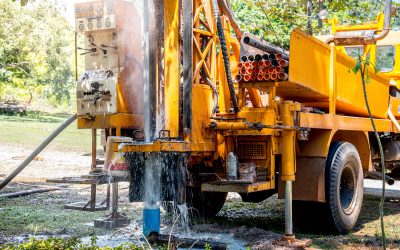
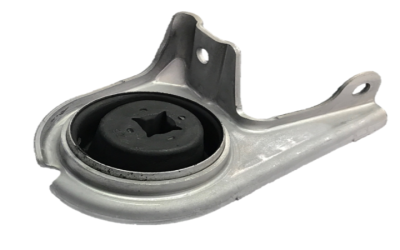
Maximizing operational efficiency is a constant priority in industrial environments, where reliable fluid movement directly impacts productivity, safety, and cost control. Many facility managers and engineers search for effective strategies to optimize their pumping systems, seeking out solutions that not only boost performance but also ensure long-term reliability and lower maintenance costs. When researching ways to achieve these goals, the search phrase Aurora Pump New York often comes up, pointing professionals toward advanced pumping technology designed for demanding industrial applications.
Understanding Industrial Pump Efficiency
Efficiency in industrial pump systems is more than just power savings. It encompasses the ability to move fluids with minimal waste, consistent pressure, and reduced downtime. Efficient pumps help minimize energy consumption, lower operational costs, and extend the lifespan of equipment. In high-demand settings—such as manufacturing plants, water treatment facilities, and chemical processing sites—even minor improvements in pump efficiency can lead to significant long-term savings.
Key Features of Efficient Pump Solutions
Modern industrial pump solutions are engineered with features that directly contribute to higher efficiency and reliability. Some of the most impactful features include:
• Precision Engineering: High-quality materials and advanced engineering reduce internal friction and wear, resulting in smoother operation and less energy loss.
• Variable Speed Drives: These allow pumps to adjust their output automatically, matching system demand and minimizing unnecessary power usage.
• Robust Sealing Systems: Enhanced seals prevent leaks and contamination, reducing maintenance needs and improving overall system integrity.
• Ease of Maintenance: Thoughtful design allows for quicker inspections and repairs, minimizing downtime and labor costs.
Steps to Maximize Pump Efficiency in Industrial Settings
Implementing efficient pumping solutions is not a one-size-fits-all process. Here are several actionable steps to ensure optimal performance:
1. Conduct a System Audit: Evaluate your current pumping system to identify inefficiencies, such as oversized pumps, outdated controls, or frequent maintenance issues.
2. Upgrade to Modern Technology: Invest in pumps equipped with energy-efficient motors, advanced controls, and smart monitoring capabilities.
3. Regular Maintenance Scheduling: Develop and adhere to a preventative maintenance program to catch and address issues before they escalate.
4. Monitor Performance Metrics: Use real-time data tracking to monitor flow rates, pressure, and energy consumption, allowing for timely adjustments.
5. Train Staff Properly: Ensure that operators and maintenance personnel are well-trained on the latest pump technologies and maintenance protocols.
Benefits of Advanced Pumping Solutions
Choosing advanced industrial pump solutions delivers a range of benefits beyond just energy savings:
• Increased System Uptime: Reliable pump performance reduces the risk of unexpected breakdowns.
• Lower Total Cost of Ownership: Efficient pumps require less energy and maintenance, translating into cost savings over time.
• Enhanced Safety and Compliance: Well-designed systems help maintain compliance with environmental and safety standards by reducing leaks and spills.
• Scalability: Modern pumps can often be integrated with existing systems and scaled as facility needs grow.
By prioritizing efficiency in industrial pumping systems, organizations can significantly enhance productivity, safety, and cost-effectiveness. Whether upgrading existing equipment or designing a new fluid handling system, leveraging the latest pump technologies and best practices is essential for achieving optimal results. Investing in efficient, reliable solutions ensures that industrial operations remain competitive, sustainable, and prepared for future challenges.