In the dynamic world of vehicle manufacturing, ensuring safety and efficiency are top priorities for automakers and consumers alike. As cars become increasingly complex with evolving regulations and advancing technology, the processes behind their creation must keep pace. One essential process that underpins much of the automotive industry’s progress is Automotive Stamping, a term frequently searched by those interested in how vehicles are crafted to meet modern demands. This manufacturing technique plays a pivotal role in shaping both the structural integrity of vehicles and the efficiency with which they are produced.
Enhancing Vehicle Safety Through Precision Engineering
Safety is a non-negotiable aspect of any vehicle on American roads. Automotive stamping directly impacts vehicle safety by enabling the production of highly precise and consistent metal components. Through this process, large sheets of metal are pressed into specific shapes that form the backbone of a car’s structure, including frames, doors, hoods, and crash-resistant crumple zones.
These stamped parts are engineered to absorb and distribute impact forces during a collision. By ensuring uniform thickness and strength across critical components, automotive stamping allows for predictable performance in crash tests and real-world accidents. Modern safety features—such as reinforced side panels, energy-absorbing front ends, and integrated mounting points for airbags—rely on the accuracy made possible by stamping technology.
Streamlining Production for the Modern Automotive Industry
Beyond safety, automotive stamping is integral to streamlining vehicle production. The ability to rapidly and accurately produce thousands of identical parts means manufacturers can achieve economies of scale and maintain high standards of quality. This efficiency is crucial in meeting the demands of the American market, where consumers expect both reliability and affordability.
Key ways automotive stamping streamlines production include:
• Consistency: Automated stamping presses ensure that each part meets exact specifications, reducing errors and minimizing waste.
• Speed: High-speed operations allow for the creation of large volumes of parts in a short period, supporting mass production lines.
• Flexibility: Modern stamping techniques can accommodate a variety of metals and part designs, enabling quick adaptation to new vehicle models or changes in regulations.
• Cost-Effectiveness: By minimizing manual labor and material waste, stamping helps keep production costs in check, which can translate to more competitively priced vehicles for American consumers.
Meeting Evolving Industry Demands
The automotive sector is subject to rapid changes, from stricter safety regulations to the growing popularity of electric vehicles. Automotive stamping is uniquely suited to adapt to these shifts. As manufacturers develop lighter, stronger materials and more complex vehicle architectures, advanced stamping methods—such as progressive and transfer stamping—allow for the creation of intricate, multi-functional parts. This adaptability ensures that American vehicles remain at the forefront of innovation while upholding the highest safety standards.
Driving the Future of American Automotive Manufacturing
Automotive stamping is a cornerstone of safe, efficient vehicle production in the United States. By enabling precision engineering, supporting large-scale manufacturing, and adapting to new industry trends, this process shapes the vehicles that Americans trust every day. As technology continues to advance, the role of stamping in automotive manufacturing will only grow, helping to ensure that the cars of tomorrow are even safer and more efficiently produced than those on the road today.
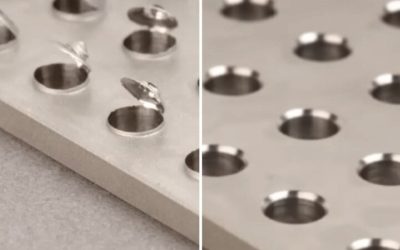
Sheet Metal Deburring Tool: Essential Tips for Efficient Use
In the world of metal fabrication, precision and safety are paramount. The sheet metal deburring tool is an indispensable instrument for...