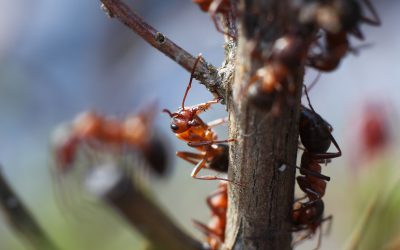
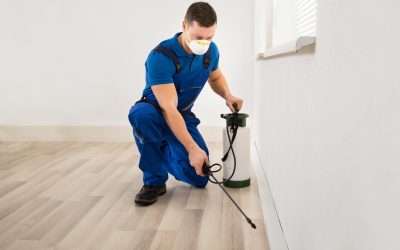
Pest control inspections around irrigation boxes and utility lines look for moisture, shelter, food sources, structural gaps, and evidence of pest movement. In Buckeye, Arizona, these areas deserve attention because they connect outdoor soil and landscaping with pipes, cables, walls, and other possible pathways leading toward a home.
An irrigation box may appear to be a small, isolated part of the yard, but it can create conditions that attract insects and other pests. Utility lines can also provide protected routes through foundations, exterior walls, garages, and mechanical areas. A detailed inspection helps determine whether these features are contributing to current activity or increasing the likelihood of future problems.
Why Do Irrigation Boxes Attract Pest Activity?
Irrigation boxes are installed at or below ground level and usually contain valves, pipes, and fittings. Because they are surrounded by soil and protected by a cover, they may offer shade and shelter from intense Arizona heat.
Small leaks, condensation, or excess irrigation can also create damp conditions inside or around the box. Even when the surrounding landscape appears dry, moisture may remain beneath the lid or around underground connections.
During an inspection, a pest company may check for:
- Standing water or damp soil
- Leaking valves and fittings
- Ant trails or nesting material
- Spider webs and egg sacs
- Cockroach activity
- Rodent digging or disturbed soil
- Debris collecting beneath the cover
The presence of one insect does not always indicate a major infestation. However, repeated activity or several forms of pest evidence may show that the irrigation box is functioning as a shelter or travel point.
How Can Irrigation Leaks Affect Pest Management?
Water is one of the main conditions that can support pest activity in desert environments. A slow leak may not be noticeable from the surface, but it can keep the soil beneath an irrigation box consistently damp.
Ants, cockroaches, spiders, and other pests may gather where water and shelter are available. Rodents may also travel through landscaped areas where irrigation supports plant growth, insects, and protected nesting locations.
Pest management services often consider moisture correction part of the overall inspection process. Pest treatment alone may provide limited results when a leak or drainage issue continues to support activity.
Inspectors may recommend having damaged irrigation components repaired, adjusting watering schedules, or correcting areas where water collects near the foundation. These steps do not replace treatment when an infestation is present, but they can make the property less favorable to pests.
What Do Inspectors Check Around Utility Lines?
Utility lines may include electrical conduits, plumbing pipes, communication cables, air-conditioning connections, and other service penetrations. These features often pass through exterior walls, foundations, garages, or mechanical areas.
Pest inspections typically focus on the points where these lines enter the structure. Small openings around pipes and cables can create access routes, particularly when sealants have deteriorated or construction gaps were left unfinished.
Inspectors may examine:
- Openings around plumbing pipes
- Gaps around electrical conduit
- Cable and internet entry points
- Air-conditioning line penetrations
- Damaged sealant or foam
- Cracks where utility lines meet stucco
- Droppings, webbing, grease marks, or nesting material
Rodents, insects, and spiders can take advantage of openings that appear minor from the outside. The purpose of the inspection is to determine whether a gap is active, whether evidence is nearby, and whether exclusion work should be included in the pest control solutions.
Can Underground Lines Create Hidden Pest Routes?
Underground utility and irrigation lines disturb the soil and may create narrow spaces alongside trenches, pipes, and conduits. These areas can sometimes become protected movement routes for ants and other soil-dwelling pests.
Inspectors cannot always see the entire underground pathway, so they look for surface indicators. These may include soil displacement, recurring ant trails, mud tubes, openings near the foundation, or activity concentrated around line entry points.
Termite concerns also require careful attention because subterranean termites move through soil and may enter a structure through small foundation openings. An irrigation leak near the home does not automatically mean termites are present, but moisture and soil contact are conditions worth evaluating during a professional inspection.
How Are Irrigation Boxes Connected to the Home?
The location of an irrigation box matters. A box positioned near the foundation, garage, patio, or exterior utility wall may be more relevant than one located far from the structure.
Inspectors may trace visible lines between the irrigation system and the home while checking nearby landscaping, wall penetrations, foundation joints, and drainage patterns. They may also look for vegetation touching the building or soil positioned too high against exterior materials.
This broader approach helps determine whether pest activity is limited to the yard or whether pests have a practical route toward the structure.
What Happens After the Inspection?
After examining irrigation boxes, utility lines, and nearby structural areas, the inspector should explain what was found. The recommendations may include monitoring, sealing entry points, correcting moisture, reducing debris, adjusting landscaping, or applying targeted pest treatment.
A useful plan should be based on the pest involved and the conditions found at the property. Different pests require different methods, so a general application may not address the source of the activity.
Homeowners researching Pest Control in Buckeye can review Grizzly Pest Control to understand the types of services they provide and how their inspection-based process approaches local pest concerns.
How Can Buckeye Homeowners Reduce Future Activity?
Homeowners can regularly lift irrigation box covers carefully and check for leaks, debris, or visible insect activity. Utility penetrations should also be inspected for damaged sealants and openings.
Keeping vegetation trimmed away from the structure, repairing irrigation problems, removing yard clutter, and maintaining proper drainage can support long-term pest control efforts. These practical steps make it easier to identify new activity before it spreads.
Irrigation boxes and utility lines are easy to overlook, but they can reveal important information about how pests are entering, nesting, or moving across a property. A thorough inspection connects these outdoor features with the condition of the home, allowing pest control solutions to address both visible activity and the factors supporting it.