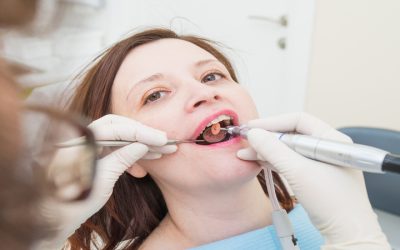
Routine dental visits involve much more than cleanings and cavity checks. During preventive appointments, dental professionals also examine the mouth for signs of abnormal tissue changes that may require further evaluation. Oral cancer screenings are an important part of comprehensive dental care because early detection can play a major role in long-term health outcomes.
Many patients are unaware that oral cancer screenings are often included as part of regular exams at a dental clinic. These evaluations are designed to identify visible abnormalities in the mouth, tongue, gums, cheeks, throat, and surrounding tissues before symptoms become more advanced.
For individuals visiting dental offices or scheduling care with a Tempe dentist, understanding the purpose of oral cancer screenings may help reinforce the importance of consistent preventive dental care.
Why Oral Cancer Screenings Matter
Oral cancer can affect several areas of the mouth and throat, including:
- Tongue
- Lips
- Gums
- Roof of the mouth
- Floor of the mouth
- Inner cheeks
- Tonsil area
- Throat tissues
In many cases, oral cancer develops gradually and may not cause pain during its early stages. Because symptoms can initially appear minor or go unnoticed, routine screenings help improve the likelihood of detecting abnormalities earlier.
Dental clinics often incorporate screenings into routine exams because patients may visit their dentist more regularly than their primary care physician.
Common Risk Factors for Oral Cancer
While oral cancer can affect anyone, certain lifestyle and health factors may increase risk.
Common risk factors include:
- Tobacco use
- Heavy alcohol consumption
- HPV infection
- Prolonged sun exposure to the lips
- Family history of cancer
- Weakened immune system
- Chronic irritation in the mouth
Age may also play a role, although oral cancer can occur in younger adults as well.
Dental offices encourage regular evaluations because some patients with oral cancer may not experience noticeable symptoms early on.
What Happens During a Routine Oral Cancer Screening?
Oral cancer screenings are generally quick, non-invasive, and performed during standard dental exams.
A Tempe dentist may visually examine the mouth while also checking surrounding tissues for unusual changes.
The screening often includes evaluation of:
- Tongue surfaces and movement
- Inner cheeks
- Gums
- Lips
- Roof and floor of the mouth
- Back of the throat
- Neck and jaw areas
Dentists may also gently feel certain areas to identify swelling, lumps, or tissue irregularities.
The goal is not to diagnose cancer immediately but to identify abnormalities that may require closer monitoring or additional testing.
Signs Dentists Look for During Screenings
Dental clinics are trained to identify visible tissue changes that appear unusual or do not heal normally.
Potential warning signs may include:
Persistent White or Red Patches
White or red lesions inside the mouth that remain over time may require further evaluation.
Sores That Do Not Heal
Mouth sores that persist for several weeks can sometimes indicate abnormal tissue changes.
Unusual Lumps or Thickened Areas
Dentists may check for tissue swelling or hardened areas around the mouth and neck.
Difficulty Swallowing
Patients experiencing ongoing swallowing discomfort may need further assessment.
Persistent Hoarseness
Voice changes or chronic throat irritation may occasionally be associated with oral health concerns.
Numbness or Unexplained Pain
Unusual numbness in the mouth, tongue, or lips can sometimes signal nerve involvement.
Many of these symptoms may also result from non-cancerous conditions, which is why professional evaluation is important.
Why Early Detection Is Important
One reason oral cancer screenings matter is because early-stage abnormalities are often easier to manage than advanced conditions.
When oral cancer progresses unnoticed, treatment may become more extensive and recovery more difficult. Early identification may help reduce complications and support better overall outcomes.
Dental offices focus on identifying changes early because some tissue abnormalities may appear small or painless initially.
Routine screenings help create opportunities to monitor changes before they become more serious.
How Often Should Oral Cancer Screenings Be Performed?
Many dental clinics include oral cancer screenings during regular dental checkups, particularly for adults.
Patients with higher risk factors may benefit from more consistent monitoring. However, even individuals without known risk factors may still develop abnormal tissue changes.
Routine preventive care allows dentists to compare tissue appearance over time and identify subtle differences that patients may not notice themselves.
Consistent dental exams also help patients discuss any symptoms they may be experiencing, including soreness, swelling, or changes inside the mouth.
Symptoms Patients Should Never Ignore
Although some symptoms may result from minor irritation, certain issues should not be ignored if they persist.
Patients should consider scheduling an evaluation if they notice:
- Mouth sores lasting longer than two weeks
- Unexplained bleeding
- Persistent throat discomfort
- Difficulty chewing or swallowing
- White or red patches inside the mouth
- Jaw swelling or tenderness
- Ongoing numbness in oral tissues
Dental clinics may recommend additional evaluation if symptoms do not improve naturally.
The Role of Preventive Dental Care in Oral Health
Routine preventive care supports more than healthy teeth and gums. Regular dental exams also help monitor changes in oral tissues that may otherwise go unnoticed.
Dental offices aim to identify concerns early while supporting long-term oral wellness through consistent evaluations and patient education.
For many patients, routine screenings provide peace of mind while helping establish healthier long-term dental habits.
Stay Proactive About Long-Term Oral Health
Routine dental exams can help identify tissue changes, oral abnormalities, and other concerns before symptoms become more advanced. Consistent screenings support preventive oral care and may improve the chances of early detection when unusual changes occur. Learn more about professional dental care in Tempe, AZ, and the importance of regular preventive dental evaluations for long-term oral wellness.