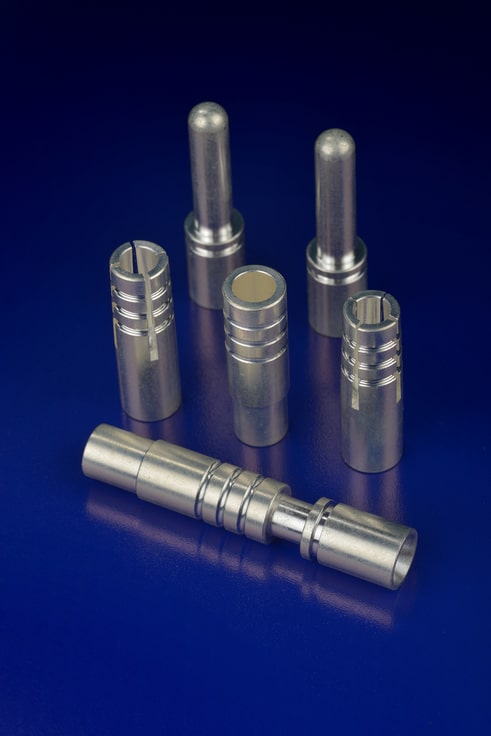
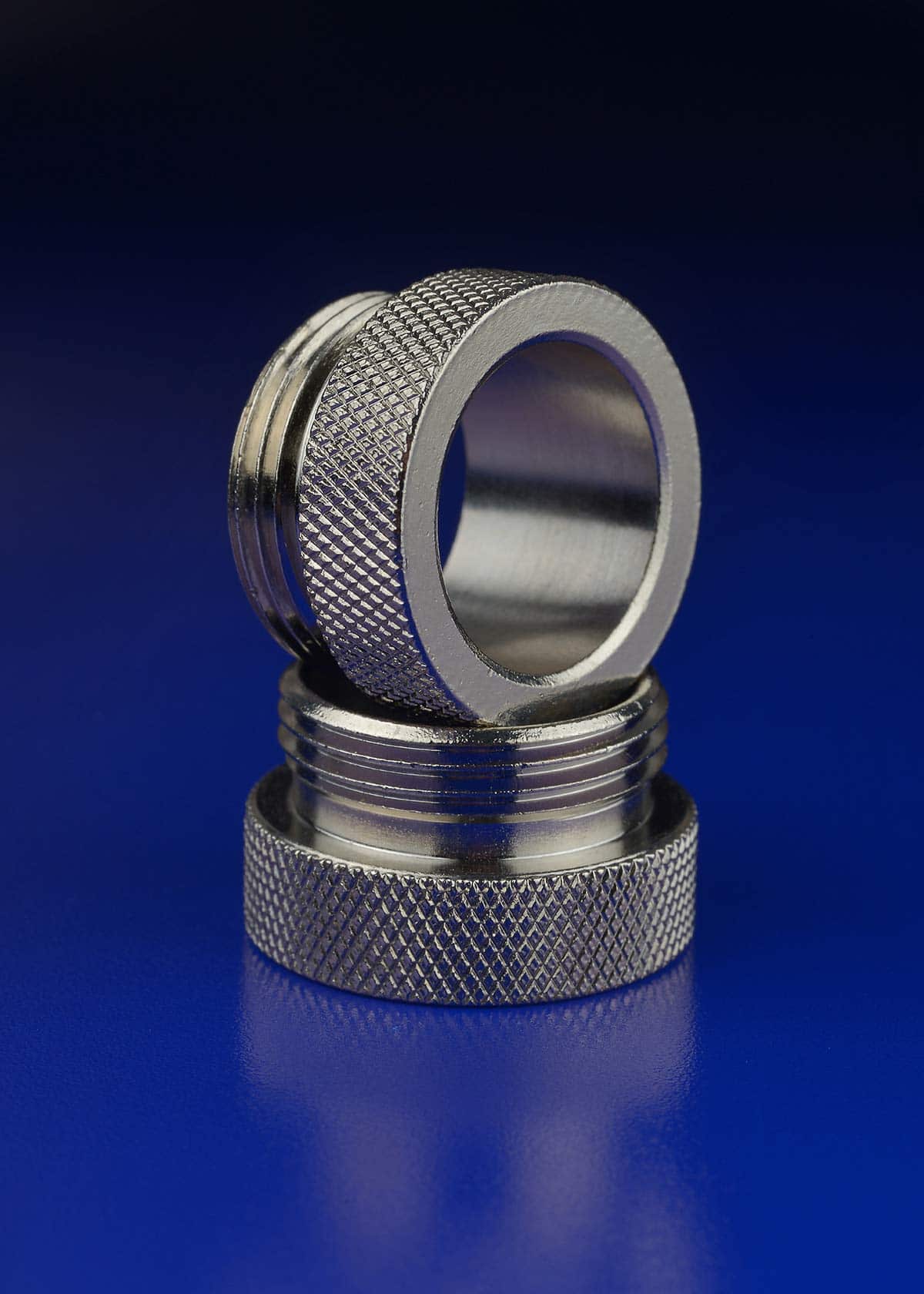
In the world of metal finishing, the Zinc Nickel Plating Process stands out as a robust method for enhancing corrosion resistance and durability of metal components. This process has become increasingly popular across industries such as automotive, aerospace, and electronics, where metal parts are often subjected to harsh environments. By understanding the nuances of this process, users can make informed decisions about its application and benefits.
Understanding the Zinc Nickel Plating Process
The Zinc Nickel Plating Process involves the deposition of a zinc-nickel alloy onto a metal substrate, typically steel or iron. This electroplating technique enhances the substrate’s resistance to corrosion while maintaining its structural integrity. Here’s a breakdown of the key stages involved in this process:
1. Surface Preparation:
2. Cleaning: The metal surface is thoroughly cleaned to remove any grease, dirt, or oxide layers. This step is crucial as any contamination can affect the quality of the plating.
3. Activation: A mild acid solution is often used to activate the surface, ensuring that the plating adheres properly.
4. Plating Bath Composition:
5. The plating bath contains a solution of zinc and nickel ions, along with other additives that help control the plating process. The typical composition is around 85-92% zinc and 8-15% nickel, which offers the optimal balance of corrosion resistance and ductility.
6. Electroplating:
7. During electroplating, an electric current is passed through the solution, causing the zinc and nickel ions to deposit onto the substrate. The thickness of the plating can be controlled by adjusting the duration of the process and the current density.
8. Post-Treatment:
9. After plating, parts may undergo additional treatments such as passivation or chromate conversion to further enhance corrosion resistance and provide a decorative finish.
Advantages of Zinc Nickel Plating
The Zinc Nickel Plating Process offers several notable advantages that make it a preferred choice for many applications:
• Superior Corrosion Resistance: The alloy provides a protective barrier that can withstand harsh environmental conditions, significantly extending the life of the metal components.
• High Temperature Performance: The zinc-nickel coating maintains its integrity at elevated temperatures, making it suitable for applications exposed to heat.
• Environmentally Friendly: Compared to other plating methods, zinc-nickel plating is considered more environmentally friendly due to its reduced reliance on hazardous substances.
Industries that demand high-performance metal components benefit greatly from this process. For instance, in the automotive industry, zinc-nickel plating is used for parts like brake calipers and fuel systems, where corrosion resistance is critical. Similarly, in electronics, it ensures the longevity of connectors and terminals.
In summary, the Zinc Nickel Plating Process is a versatile and effective method for enhancing the durability and corrosion resistance of metal components. By understanding the process stages, from surface preparation to post-treatment, users can harness its full potential. Its advantages, such as superior corrosion resistance and high-temperature performance, make it an invaluable tool across various industries. As technology advances, this process continues to evolve, promising even greater efficiency and sustainability in the future.