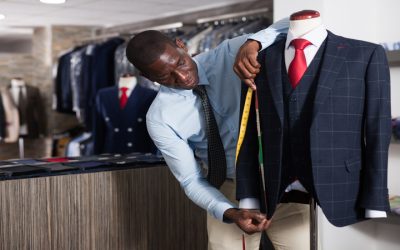
A Phoenix executive who wears tailored clothing five days a week will generally benefit from a rotation of at least five to seven suits. The exact number depends on meeting frequency, travel, workplace formality, Arizona’s climate, and how often each suit is cleaned or rested between wears.
A professional wardrobe does not need to contain dozens of nearly identical garments. A carefully planned collection of custom suits can provide enough variety for daily business use while helping each garment maintain its shape and appearance.
Why Is a Suit Rotation Important?
Wearing the same suit on consecutive days can place repeated stress on the fabric, lining, elbows, knees, and trouser seat. Suit fabric also benefits from time to release wrinkles and recover after a full day of wear.
A rotation allows each garment to rest before it is worn again. This can be especially useful in Phoenix, where professionals may move repeatedly between high outdoor temperatures, vehicles, offices, restaurants, and event venues.
Rotating suits also reduces the likelihood that one garment will show visible wear much sooner than the rest of the wardrobe. Instead of relying heavily on two or three options, an executive can distribute use more evenly across several suits.
Is Five Suits Enough for a Full Workweek?
Five suits can serve as a practical starting point for someone who wears one each business day. This provides a different suit from Monday through Friday and prevents obvious repetition during the same week.
However, a five-suit wardrobe offers little flexibility when a garment is being altered, cleaned, repaired, or reserved for a specific event. It may also become repetitive when an executive attends frequent meetings with the same clients or colleagues.
A five-suit collection works better when the colors and patterns are varied but coordinated. For example, the rotation might include navy, charcoal, medium gray, a subtle blue pattern, and a seasonal neutral. Shirts, ties, shoes, and pocket squares can then create additional combinations.
When Are Seven Custom Suits More Practical?
Seven suits provide a more flexible rotation for executives who regularly attend meetings, presentations, dinners, and professional events. The additional garments make it easier to rest each suit and avoid wearing the same combination too frequently.
A seven-suit wardrobe might include three conservative business suits, two suits with subtle texture or pattern, one lighter seasonal option, and one darker suit suitable for evening functions.
Professionals considering Men’s Tailored Suits can benefit from viewing the wardrobe as a complete system. Each new suit should address a specific need instead of repeating a color, fabric, or level of formality that is already covered.
Which Suit Colors Should a Phoenix Executive Own First?
Navy and charcoal are common starting points because they work across many professional settings. They coordinate with a wide range of shirts, ties, and shoes and can be worn during most seasons.
Medium gray adds variety without becoming overly casual. A second navy suit with a different weave or subtle pattern can also be useful because it will appear distinct while remaining versatile.
After these foundational colors are covered, an executive may consider lighter gray, muted blue, tan, or another warm-weather shade. The right choice depends on the workplace, industry, and frequency of client-facing responsibilities.
Attorneys, financial professionals, and corporate leaders may need a more conservative rotation. Entrepreneurs, real estate professionals, and creative business owners may have greater flexibility to use texture, pattern, or distinctive color.
How Does Phoenix Weather Affect Suit Planning?
Phoenix executives often dress for two different environments in the same day. Outdoor temperatures can be intense, while offices and conference spaces may be heavily air-conditioned.
For this reason, fabric selection should consider breathability, structure, wrinkle resistance, and drape. The lightest fabric is not automatically the most useful. It must still maintain a polished shape throughout meetings and travel.
Lightweight wool is frequently suitable for professional use because it can balance breathability with a refined appearance. Open-weave or high-twist fabrics may also be helpful for warm conditions and frequent travel.
Custom-fit suits can be planned with lining, structure, and fabric weight appropriate for Arizona conditions. These details may make a meaningful difference when a garment is worn for eight or more hours.
Should Every Suit Be Fully Custom?
Not every executive needs the same approach for every garment. A professional may use men’s custom suits for core business attire while supplementing the wardrobe with coordinated sport coats, trousers, or ready-to-wear pieces.
Custom garments can be particularly useful when standard sizing creates recurring issues with jacket length, shoulder balance, trouser rise, sleeve position, or overall proportion. They also allow the wearer to select fabrics and details based on how the suit will actually be used.
A custom suit store can also help identify unnecessary duplication. Before commissioning another navy or gray suit, the wearer can review the existing wardrobe and determine whether a different fabric, pattern, or level of formality would provide greater value.
How Can Executives Build Their Rotation Gradually?
A complete wardrobe does not need to be purchased at once. Many professionals begin with three foundational suits and add garments based on actual experience.
The first three might include navy, charcoal, and medium gray. A fourth suit can introduce texture, while a fifth may address seasonal needs. Additional suits can then be selected for travel, formal business events, presentations, or frequent client meetings.
This gradual approach helps the wearer understand which fabrics, jacket structures, and trouser styles perform well during a typical Phoenix workweek.
What Is the Most Practical Number?
Five suits are a functional minimum for a five-day professional schedule, while seven suits provide a more comfortable and adaptable rotation. Executives who travel frequently, attend evening events, or wear tailored clothing outside the office may eventually benefit from eight to ten suits.
The most effective wardrobe is not necessarily the largest. It is one in which each suit has a clear purpose, coordinates with existing clothing, and supports the executive’s professional schedule throughout the year.