Summary:
- Climate-controlled storage protects temperature-sensitive belongings from Fredericksburg’s hot summers, cold winters, and persistent humidity.
- Verified services at the Fredericksburg-area facility include temperature-controlled units, standard units, ground-level drive-up access, and month-to-month leases.
- Choosing the right unit type depends on what you store, how long you store it, and how sensitive those items are to heat and moisture.
If you need to protect furniture, electronics, documents, or other sensitive belongings from Virginia’s seasonal extremes, climate controlled self storage in Fredericksburg VA is worth the investment over a standard unit. The difference comes down to temperature and humidity regulation — factors that directly affect whether your stored items come out in the same condition they went in.
Why Fredericksburg’s Climate Makes Temperature Control a Practical Concern
Fredericksburg experiences a humid subtropical climate, characterized by hot summers and cold winters, with very strong seasonal temperature swings amplified by its inland location. The city experiences its highest humidity in August, reaching 69%. That combination of heat and moisture creates real risk for anything stored in a standard unit without environmental regulation.
In the summer, non-climate-controlled units can reach 30 degrees higher than outside temperatures, often reaching triple-digit levels. On the cold end, cold months in Fredericksburg can deliver temperatures as low as 27.3 degrees Fahrenheit. Standard units offer no buffer against either extreme.
Temperature fluctuations can result in severe damage like the warping or melting of items made of plastic, wood, or metal, while high humidity can lead to moisture buildup, resulting in rust and the growth of mold and mildew. For residents and businesses storing anything beyond basic household goods, those risks are worth taking seriously.
What Climate-Controlled Storage Actually Does
A climate-controlled storage unit maintains a stable temperature, typically between 55 degrees and 85 degrees Fahrenheit, and regulates humidity year-round, regardless of what is happening outside. This is meaningfully different from a standard unit, which, as noted by the U.S. Department of Energy’s guidance on building envelope performance, has no insulation or sealing standard that protects against moisture infiltration.
To achieve stable conditions, climate-controlled units are outfitted with HVAC systems, dehumidifiers, and insulation technologies. The result is a consistent interior environment across all four seasons — something a standard roll-up door unit simply cannot replicate.
Items That Benefit Most from Temperature Control
Humidity causes pages to stick together, photos to curl, and mold to form — important documents and irreplaceable photos should always go in a climate-controlled unit.
Other items that benefit include:
- Wood furniture: wooden and metal parts to furniture may rust, warp, crack, or break due to adverse weather exposure.
- Electronics: electronics are especially sensitive to drastic weather change, and freezing temperatures can cause electronics and vinyls to crack or break.
- Musical instruments: wood instruments like guitars, violins, and pianos are especially vulnerable and can warp, crack, or go permanently out of tune when exposed to temperature extremes.
- Artwork and antiques: paintings, prints, and antiques are sensitive to both temperature and humidity — canvas warps, paint cracks, and adhesives fail under repeated expansion and contraction.
Comparing Standard vs. Temperature-Controlled Units
| Feature | Standard Unit | Temperature-Controlled Unit |
|---|---|---|
| Temperature regulation | None | 55 to 85 degrees F maintained |
| Humidity control | None | Regulated to minimize moisture |
| Best for | Tools, vehicles, basic boxes | Furniture, electronics, documents, art |
| Typical access | Drive-up | Drive-up (varies by facility) |
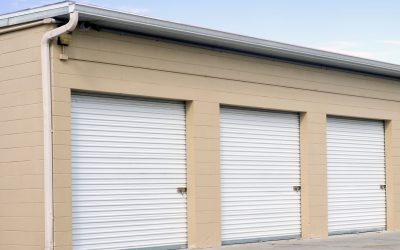
Standard units do not regulate temperature or humidity. Temperature-controlled units maintain a consistent interior environment year-round, helping protect wood furniture, electronics, artwork, and documents from Virginia’s seasonal extremes.
What to Look for When Choosing a Facility in Fredericksburg
Beyond temperature control itself, a few facility features affect day-to-day usability:
- Ground-level access: Units at ground level make loading and unloading far easier, especially for heavy furniture or appliances.
- Lease flexibility: Month-to-month leases suit renters who are between homes, completing a renovation, or managing seasonal inventory — you rent for as long as you need and move out when you are done.
- Security: Look for facilities with security cameras and onsite management.
- Unit size variety: Having multiple size options means you pay only for the space you actually use.
- Rate stability: Some facilities offer rate-lock guarantees, which prevents unexpected rent increases during your rental period.
The Fredericksburg-area location under the Central VA Storage network — which includes Brook Road Mini Storage among its properties — offers a wide variety of sizes in both standard and temperature-controlled storage, with all units at ground level and 9-foot ceiling heights to maximize usable space.
Frequently Asked Questions
Is climate-controlled storage worth the extra cost? For sensitive or valuable items, yes. The cost of replacing warped furniture, damaged electronics, or molded documents typically exceeds the premium for a temperature-controlled unit.
Do I need climate control for short-term storage? Even short stays carry risk during Fredericksburg’s summer months, when interior temperatures in standard units can spike dramatically. If your items are sensitive, opt for climate control regardless of duration.
What is the difference between temperature-controlled and climate-controlled? It is a common misconception that climate-controlled units simply mean air-conditioned. While air-cooled and temperature-controlled units can protect items from excessive heat or freezing temperatures, they do less when it comes to humidity. True climate control addresses both.
Can businesses use temperature-controlled self storage? Yes. Temperature-controlled units work well for businesses storing inventory, equipment, records, or seasonal merchandise that cannot tolerate heat or moisture fluctuations.
Choosing the right storage unit in Fredericksburg starts with understanding what you are storing and what the local climate will put it through. For anything beyond basic goods that can tolerate temperature swings, a temperature-controlled unit is the practical choice — not a luxury. Review the unit types, lease terms, and facility features before committing, and prioritize facilities that offer verified climate control rather than just air circulation.