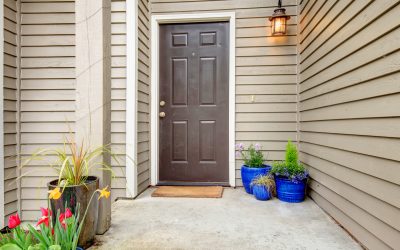
A custom wood door should use horizontal design lines when the goal is to make the entry feel wider, more grounded, or more connected to broad architectural features. Vertical lines are usually better when the design should emphasize height, reinforce tall proportions, or create a more streamlined appearance.
For Scottsdale, AZ homes, the right direction depends on the width and height of the opening, the surrounding façade, nearby windows, and the overall architectural style. A well-planned wood door design should support the structure around it rather than introduce lines that work against the home’s proportions.
What Do Horizontal and Vertical Design Lines Actually Change?
The direction of lines on a door affects how the eye reads its shape.
Horizontal lines tend to move the eye from side to side, which can make a door appear wider and more grounded. Vertical lines guide the eye upward, which can emphasize height and create a taller visual effect.
When Do Horizontal Lines Work Best?
Horizontal lines often work well on wide entrances or homes with strong horizontal architecture.
For example, a residence with low rooflines, broad windows, deep overhangs, or long exterior walls may benefit from a front door that repeats those same visual cues.
This approach can also be useful when a tall door looks too narrow. Adding horizontal breaks can reduce the exaggerated vertical effect and create a more balanced appearance.
Can Horizontal Lines Make a Modern Door Look Wider?
Horizontal divisions can create the impression of additional width, especially when the lines extend across most of the door surface.
This can be useful on a tall single door where the opening has strong vertical proportions but the homeowner wants a more grounded look.
A modern wood door with broad horizontal panels or subtle grooves can create visual width without changing the structural opening.
When Are Vertical Lines a Better Choice?
Vertical lines are often better when the entry needs to appear taller or more streamlined.
A narrow door can benefit from vertical elements because they reinforce height rather than width. Tall glass panels, long wood sections, or vertical grooves can create a cleaner upward movement.
How Does Door Height Affect the Decision?
Door height plays a major role.On a very tall door, too many vertical lines can exaggerate the height and make the door appear unusually narrow. Introducing some horizontal divisions can help moderate that effect.
On a shorter door, horizontal lines may make the surface feel broader but also visually lower. In that situation, vertical details can help create a stronger sense of height.
How Does Door Width Influence the Pattern?
Wide doors can support horizontal patterns naturally because the extra surface area allows each section to read clearly.
For example, a broad horizontal panel pattern can be interrupted by a narrow vertical glass insert or centered hardware to keep the surface from appearing overly expansive.
Narrower doors usually require more restraint. Too many horizontal divisions can make a small surface feel busy, while a simpler vertical arrangement may create a cleaner result.
Should Wood Grain Follow the Same Direction as the Panels?
Not always.
Wood grain direction can reinforce the panel layout or create subtle contrast.
Vertical grain paired with vertical panels produces a strong upward effect. Horizontal grain can emphasize width and create a more contemporary appearance.
In some designs, the grain direction may change between sections to create visual separation.
How Do Horizontal Lines Work With Glass?
Horizontal design lines can pair well with narrow glass bands or rectangular inserts.
This approach can make the door feel wider while introducing light into the entry. It is often used in contemporary designs where geometry and repetition are important.
A tall narrow glass panel can reinforce door height and make the surface feel more streamlined. It may also align more naturally with nearby windows.
Does Hardware Direction Matter Too?
Yes.
Long vertical pull handles reinforce height, while shorter horizontal or compact hardware can reduce that effect.
On a door with strong horizontal panel lines, a long vertical pull can provide contrast and prevent the design from feeling overly wide.
On a vertically oriented door, similarly vertical hardware can create a very clean and consistent appearance.
How Does the Architecture Around the Door Affect the Choice?
The surrounding façade should guide the decision.
Modern Scottsdale homes often combine stucco, stone, glass, wood, and metal in clean geometric forms. If the home already emphasizes long horizontal rooflines and wide openings, a horizontal door design may reinforce that character.
How Should Scottsdale Homeowners Decide Between Horizontal and Vertical Lines?
Start by evaluating the actual proportions of the opening.
If the door feels too tall and narrow, horizontal elements can help create visual width. If it feels too broad or low, vertical details may strengthen height.
Then consider the home’s windows, rooflines, exterior materials, glass, and hardware.