A logo that looks sharp on a website, business card, or digital graphic may not always translate perfectly into embroidery. Unlike digital printing, embroidery recreates a design with thread, which means very small details, thin lines, tight spacing, and intricate lettering can become difficult to reproduce clearly.
For businesses and organizations in Phoenix, AZ, understanding these limitations is important before ordering Custom Embroidered Clothing. Simplifying a logo does not necessarily mean changing its identity. In many cases, small adjustments help preserve the most recognizable elements while making the design better suited for fabric and thread.
Why Is Embroidery Different From Printed Artwork?
Embroidery relies on stitches rather than ink.
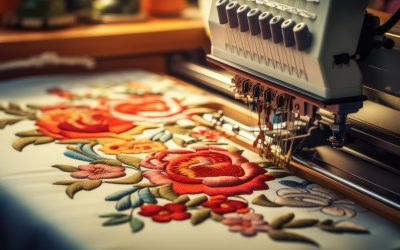
Each part of a logo must be converted into a stitch pattern that an embroidery machine can follow. This process, often called digitizing, determines how thread will move through the garment, how closely stitches will sit together, and how different elements will be layered.
Because thread has physical thickness, it cannot reproduce extremely small details in the same way that pixels on a screen can.
A logo containing narrow outlines, tiny symbols, or intricate decorative features may therefore need to be adjusted before it can be stitched clearly.
This is one reason custom clothing printing and embroidery should not always use identical artwork without review.
What Happens to Very Thin Lines?
Thin lines are one of the most common challenges in embroidered designs.
A line that appears crisp in a digital file may be too narrow to translate into a stable row of stitches. If the line is extremely fine, it may become uneven, merge into nearby elements, or appear heavier than intended.
Slightly increasing the thickness of important lines can often make them more visible.
The goal is not to make the logo noticeably different. Instead, the adjustment helps ensure that recognizable shapes remain clear once they are recreated with thread.
A clothing printing company that handles embroidery will typically review these small elements during artwork preparation.
Why Can Small Lettering Be Difficult to Reproduce?
Lettering requires enough space for each character to remain distinct.
Very small text may contain narrow spaces between letters, enclosed areas inside characters, and thin strokes. When those features are converted into stitches, the thread can occupy more space than the original design allows.
As a result, letters may begin to blend together or become difficult to read.
Decorative fonts can create additional challenges because they may contain narrow flourishes or detailed edges.
For custom embroidered clothing, simple lettering often holds its shape more effectively at smaller sizes. If a company logo includes very fine text, increasing the size or simplifying the typeface may improve readability.
How Does Fabric Affect Logo Detail?
The garment itself also influences how embroidery appears.
Different fabrics respond to stitching in different ways. A smooth, stable material may support small details more effectively than a textured, flexible, or loosely constructed fabric.
Stitch density also matters. Too many stitches concentrated in a small area can place additional stress on the material and may cause puckering or distortion.
This means the same logo may need slightly different preparation depending on whether it is being applied to a polo shirt, jacket, work shirt, or another type of garment.
Custom apparel printing decisions should therefore consider both the artwork and the fabric rather than treating them separately.
Why Are Tiny Gaps and Spaces Important?
Negative space is an important part of many logos.
Small gaps between letters, symbols, or shapes help define the design. If those spaces become too narrow during embroidery, thread can fill them visually.
For example, a logo containing several closely spaced lines may appear distinct on a digital screen but look more crowded when stitched.
Increasing the spacing between certain elements can help preserve separation.
This type of adjustment is often subtle. The overall logo can still look familiar while functioning more effectively as embroidery.
Does Logo Size Affect How Much Detail Can Be Kept?
Yes. The final embroidery size has a major impact on what details can be reproduced.
A complex logo stitched across a larger area has more room for individual lines, lettering, and design elements. When that same logo is reduced for a small chest location, those elements are compressed into a much smaller space.
Some details that work at a larger size may become impractical at a smaller one.
A clothing printing shop may recommend creating a simplified version specifically for small embroidery applications. Businesses often use different versions of the same logo for different formats while maintaining consistent colors and recognizable branding.
Which Parts of a Logo Should Usually Be Preserved?
When simplification is needed, the most recognizable parts of the logo should generally remain the priority.
These may include:
- The main company name
- A distinctive symbol or icon
- Primary brand colors
- Major shapes
- Important visual proportions
Smaller decorative details may be reduced, enlarged, or removed if they interfere with clarity.
For custom clothing printing, the goal is to maintain brand recognition rather than reproduce every tiny feature at the expense of readability.
Why Does Digitizing Matter?
Digitizing is more than converting an image file into another format.
The digitized file tells the embroidery machine where stitches should begin, which direction they should travel, how dense they should be, and how different sections should overlap.
Poorly prepared digitizing can affect the appearance of even a simple logo, while thoughtful preparation can help a detailed design translate more effectively.
This is especially important when the artwork contains multiple colors, small text, narrow borders, or closely spaced elements.
The final embroidered result depends on both the original design and the way that design is translated into stitches.
Simplification Can Preserve the Strength of a Logo
Simplifying a detailed logo for embroidery does not mean compromising the brand. In many cases, it means adapting the artwork to a different production method so the most important elements remain recognizable.
For businesses in Phoenix, AZ, factors such as line thickness, lettering size, spacing, fabric type, stitch density, and final logo dimensions all influence the finished appearance.
A clothing printing company may recommend subtle artwork changes before production when intricate details are likely to lose clarity.
By designing with thread and fabric in mind, businesses can create embroidered apparel that maintains the identity of the original logo while remaining clear, balanced, and readable on the finished garment.