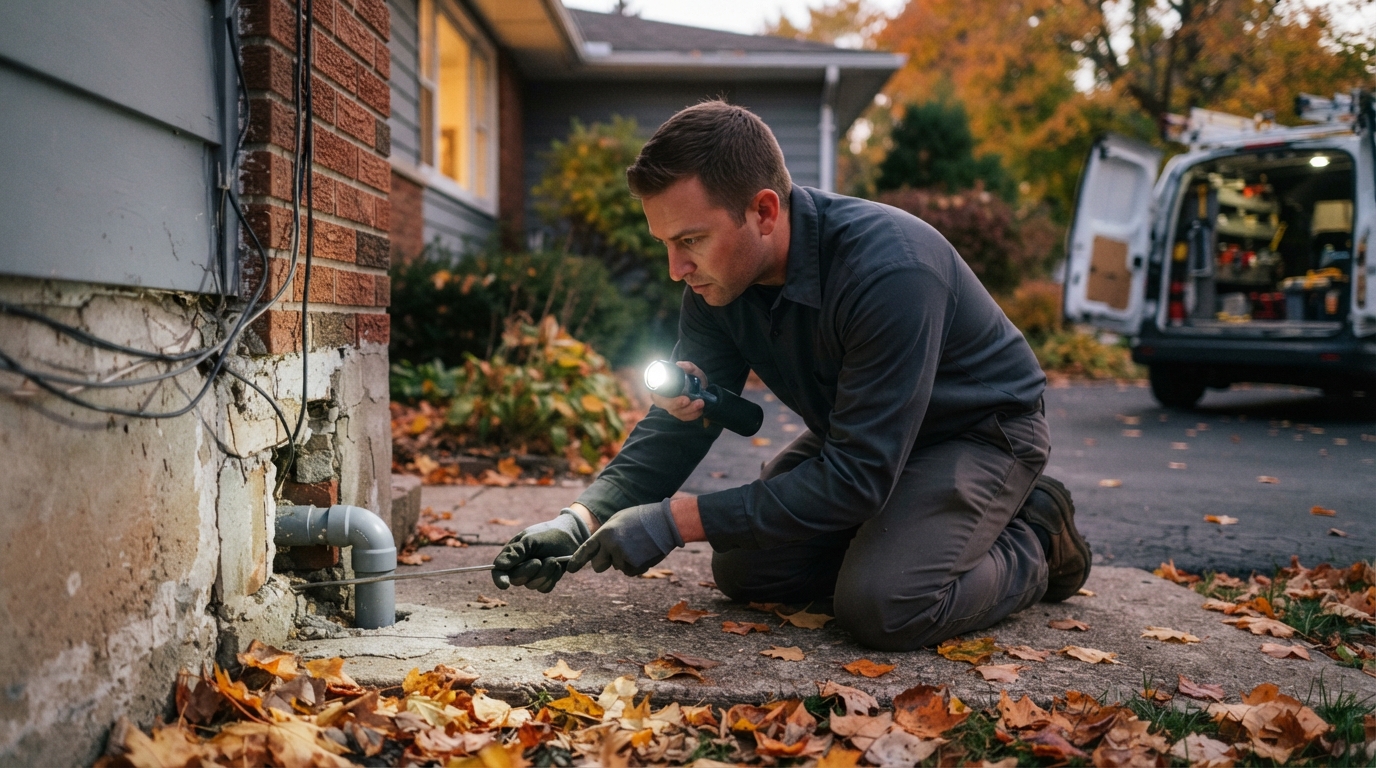
• Sealing entry points, removing food sources, and using targeted trapping or baiting are the core steps of lasting rodent control.
• Professional Rodent Removal Morris County NJ combines inspection, exclusion work, and follow-up monitoring to address infestations at the source.
• Homes in Morris County, NJ face seasonal rodent pressure as cooler weather drives mice and rats indoors.
Rodent control works best when it combines exclusion, sanitation, and targeted removal rather than relying on a single tactic like store-bought traps. A lasting solution addresses how rodents enter a structure, not just the animals already inside.
Why Rodent Infestations Persist in Older and Newer Homes Alike
Rodents exploit gaps as small as a quarter inch, which means even well-maintained homes in Morris County, NJ can develop entry points around utility lines, foundation cracks, or attic vents. Mice and rats are drawn indoors by stable temperatures and accessible food once outdoor conditions turn colder. According to CDC guidance on rodents, rodent infestations can introduce health risks through droppings, urine, and nesting material that contaminate food surfaces and indoor air.
Property owners often notice signs before seeing an actual rodent, including:
• Gnaw marks on wood, wiring, or stored food packaging
• Dark, pellet-shaped droppings near baseboards or pantries
• Scratching sounds within walls or ceilings, especially at night
• Grease marks along frequently traveled rodent pathways
Core Steps for Safe and Lasting Rodent Removal
A structured approach reduces the chance of rodents returning after an initial treatment. Each step builds on the last, starting with assessment and ending with prevention.
1. Inspection – Identifying entry points, nesting areas, and the extent of activity before any treatment begins.
2. Exclusion – Sealing gaps, vents, and utility penetrations with rodent-resistant materials to stop new entry.
3. Trapping or baiting – Placing equipment in locations based on observed activity patterns rather than guesswork.
4. Sanitation guidance – Reducing food and water sources that sustain a population indoors.
5. Follow-up monitoring – Checking traps and exclusion points to confirm the issue has been resolved.
Skipping exclusion work is one of the most common reasons infestations return, since trapping alone does not stop new rodents from entering through the same gaps.
Comparing Common Rodent Control Approaches
| Method | Addresses Root Cause | Typical Use Case |
| Store-bought traps only | No | Minor, isolated sightings |
| DIY sealing without inspection | Partial | Visible gaps with no active infestation |
| Professional inspection and exclusion | Yes | Ongoing activity or recurring entry |
| Bait stations with monitoring | Yes, when paired with exclusion | Larger properties or persistent populations |
Professional service providers typically combine the last two approaches, since bait stations alone do not address structural vulnerabilities.
Seasonal and Regional Considerations for Morris County, NJ
Cooler months increase rodent activity indoors as outdoor food sources decline and temperatures drop. Homes with older foundations, stone walls, or crawl spaces common in parts of Morris County, NJ can be particularly susceptible to entry points developing over time. Regular exterior checks before winter, including inspection of dryer vents, chimney caps, and door sweeps, help reduce the likelihood of an indoor infestation taking hold.
Based in Stirling, NJ, pest management professionals serving this region routinely adapt exclusion work to the area’s mix of older housing stock and newer construction, since each presents different entry risks.
Frequently Asked Questions
How quickly can rodent activity be resolved once treatment begins? Timelines vary based on infestation size and property layout, but exclusion work paired with trapping typically shows measurable reduction in activity within one to two weeks.
Are over-the-counter rodenticides safe for homes with pets or children? Many consumer bait products carry label restrictions for this reason, which is why placement and product selection should follow guidance appropriate to the household.
Can sealing entry points alone prevent future infestations? Sealing reduces risk significantly but works best alongside sanitation practices, since remaining food sources can still attract rodents to unsealed areas nearby.
Is professional inspection necessary for a single mouse sighting? A single sighting does not always indicate a larger infestation, though an inspection can confirm whether additional entry points or nesting activity exist.
Business Info
Pest management services covering rodent inspection and exclusion are listed under Reliable Rodent Removal Services, based in Stirling, NJ.
Next Steps for Property Owners
Current service area information for Reliable Rodent Removal Services is published for residents evaluating rodent inspection options in the region.