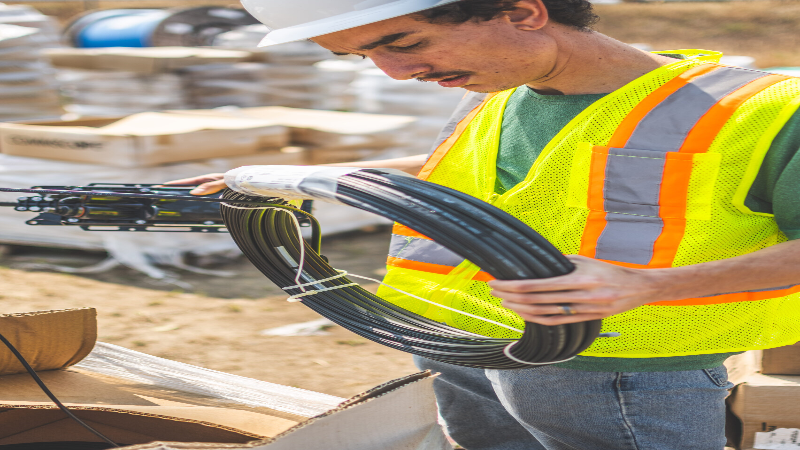
Reliable broadband in rural America depends on more than laying cable across long distances. Networks must withstand harsh weather, serve scattered homes and businesses, and remain practical to maintain. For communities planning an expansion, a search for Outside Plant Engineering can lead to the expertise needed to turn coverage goals into a buildable, dependable network.
Planning Around Rural Conditions
Rural projects rarely follow a simple, uniform route. Engineers may need to account for wooded land, hills, rivers, farmland, existing roads, railroad crossings, and areas with limited utility access. Each condition affects where infrastructure can go, how it can be installed, and what permits or agreements are required.
A thorough design begins with field surveys and existing-record reviews. Teams identify potential routes, document utilities and other obstacles, and evaluate whether aerial or underground construction makes the most sense. Aerial fiber can be faster to install where suitable poles are available, while buried facilities may offer added protection in exposed or high-risk locations. The right choice depends on local conditions, cost, maintenance needs, and community requirements.
Early coordination is just as important. Working with landowners, utilities, transportation agencies, and local officials can reveal access constraints before construction begins. Resolving these issues during planning helps reduce delays, redesigns, and unexpected costs.
Designing for Performance and Growth
A rural network must deliver consistent service across long distances, not just reach a community’s edge. Engineers plan routes, fiber capacity, equipment locations, and connections to existing infrastructure so that service can reach homes, farms, schools, clinics, and businesses. They also consider signal performance and network redundancy, which can help limit the impact of a damaged cable or equipment failure.
Good design anticipates future demand. Fiber counts and conduit capacity can be planned with room for additional customers, new services, or later extensions. Building that flexibility into a project may cost less than reopening roads or retracing routes when the network needs to grow.
Outside Plant Engineering also connects technical design to construction realities. Clear, accurate plans help crews understand where facilities belong and how they should be installed. They can include route maps, construction details, material specifications, and records of existing conditions. When plans reflect what crews encounter in the field, work can proceed more safely and with fewer costly changes.
Building Reliability Into Construction
Even a strong design needs careful execution. Construction oversight helps confirm that crews follow approved plans, use appropriate materials, maintain safe work practices, and document changes. Inspections and testing can catch problems—such as damaged cable or incorrect placement—before they affect customers or require expensive repairs.
Accurate as-built records are another essential part of reliability. They show where infrastructure was actually installed, making future maintenance, repairs, and expansions easier. Communities should also establish clear processes for reporting damage and responding to outages, especially where long travel times can slow repairs.
Reliable rural broadband is built through a sequence of informed decisions: survey the terrain, coordinate access, design for performance and growth, and verify the work. With disciplined planning and construction, broadband infrastructure can better withstand local conditions, reach underserved areas, and support dependable service for years to come.