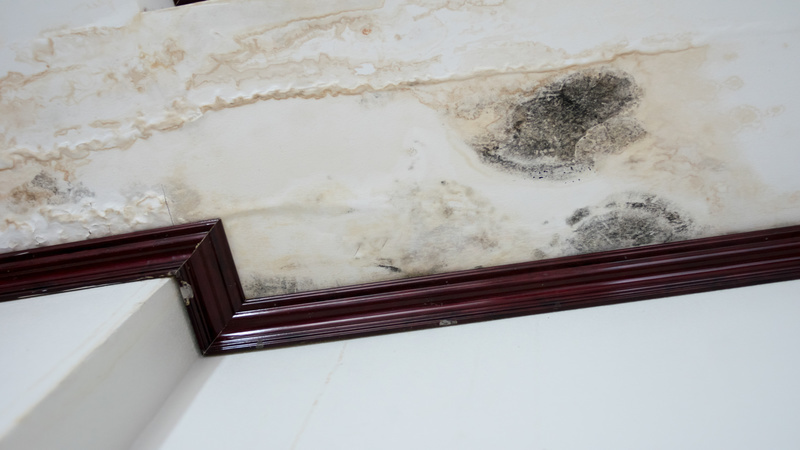
Water damage restoration in a home’s only bathroom is planned around the extent of the damage, necessary safety restrictions, and the household’s access to essential fixtures. A professional assessment helps establish what must happen immediately, whether any bathroom use is appropriate, and which milestones need to be reached before normal use resumes.
Losing access to a spare bathroom is inconvenient. Losing the only toilet, shower, and bathroom sink changes how a household manages each day. The restoration plan needs to account for those practical concerns while addressing the affected materials thoroughly.
For homeowners in Surprise, AZ, the central question is often whether they can remain at home during the work. That answer depends on the actual conditions and the availability of suitable alternatives.
Why Does Having Only One Bathroom Change the Planning Conversation?
The technical needs of wet building materials do not disappear because a room is essential. What changes is the importance of understanding disruption before work begins.
In a home with several bathrooms, occupants may simply avoid the affected room. A single-bathroom household needs a plan for toileting, handwashing, bathing, and any accessibility requirements. An arrangement that works for a mobile adult may be unsuitable for someone who needs assistance throughout the day.
Homeowners should tell the restoration contractor immediately that the affected bathroom is their only one. Useful details include how many people live in the home, whether anyone has mobility limitations, and whether another suitable bathroom is realistically accessible.
That information supports scheduling discussions. It does not establish that the room can remain open.
What Does the Initial Assessment Need to Establish?
An assessment should connect the physical damage with the room’s intended use. The contractor needs to understand where water traveled, which materials are affected, and whether the source has been addressed.
A visible puddle near a vanity does not necessarily describe the entire problem. Moisture may involve adjacent flooring or concealed assemblies, changing the access needed for restoration.
For an only bathroom, the findings should also help answer practical questions:
- Does the proposed work affect access to the toilet?
- Will the shower or bathtub need to remain unused?
- Are any fixtures being removed to reach affected materials?
- Could equipment or work barriers prevent safe entry?
- Does the project require coordination with a separate qualified trade?
A water restoration contractor can explain the restoration scope, while plumbing or electrical concerns may require the appropriate professional. Homeowners should understand who is responsible for each part of the project.
Can Any Bathroom Fixtures Remain Available?
Possibly, but availability needs to be evaluated fixture by fixture and reassessed as work progresses. A toilet that still flushes does not, by itself, establish that the room is suitable for use.
For example, a functioning fixture may be surrounded by flooring that requires work. Alternatively, an unaffected toilet might be accessible while the shower remains unavailable. Neither situation should be assumed before assessment.
Sanitation conditions matter as well. Water involving sewage or other contaminants requires precautions beyond those appropriate for a clean-water event. Professional evaluation should guide restrictions rather than the appearance of the room. US EPA
The household should ask for a clear explanation of permitted access. “The toilet may be used under these conditions” is more useful than a general statement that the bathroom is partly available.
Any permitted use must fit the work plan. Occupants should not need to move equipment, cross restricted areas, or interrupt drying arrangements to reach a fixture.
How Are Temporary Bathroom Arrangements Considered?
Temporary arrangements should cover the household’s actual needs throughout the expected disruption. Access to a shower somewhere else may solve bathing but leave nighttime toileting unresolved.
Depending on circumstances, homeowners may consider staying with relatives or arranging temporary lodging. The important question is whether the alternative is dependable, accessible, and available for as long as needed.
Before relying on a plan, consider:
- Is a toilet available overnight?
- Is there convenient access to handwashing?
- Can everyone manage the travel involved?
- Does the arrangement accommodate mobility or caregiving needs?
- What happens if the disruption lasts longer than initially expected?
These are household planning decisions to discuss alongside the restoration schedule. They should not be treated as services the contractor automatically provides.
A household may find that remaining at home works during one stage but becomes impractical during another. Ask which upcoming tasks are likely to change bathroom access so arrangements can be adjusted in advance.
Can Work Be Sequenced to Reduce the Time Without a Bathroom?
Sequencing can be discussed, but it must reflect the damage and the requirements of each task. The goal is to identify realistic opportunities to reduce disruption while completing necessary work.
A useful discussion separates three broad stages: limiting further damage, drying and evaluating affected materials, and completing repairs. Each stage may affect bathroom access differently.
For homeowners comparing professional water damage restoration, an important question is how the proposed sequence accounts for the loss of essential fixtures. A clear explanation should identify likely access restrictions and the conditions required before they can change.
Coordinate Tasks That Depend on Each Other
If a fixture must be removed to reach affected flooring, ask what needs to happen before reinstallation. The answer may involve drying, assessment of supporting materials, and necessary repairs.
Plumbing work and restoration work should have clear handoffs. Homeowners benefit from knowing which task comes next and who will confirm that the area is ready.
Separate Necessary Repairs From Optional Changes
An unexpected restoration project may prompt interest in different finishes or a new vanity. Optional changes can introduce additional decisions and scheduling requirements.
Where relevant, ask for a distinction between work needed to address the water damage and elective improvements. That makes it easier to understand how each choice could affect the return of bathroom access.
Why Can’t the Bathroom Reopen as Soon as Surfaces Look Dry?
Appearance alone does not establish that affected materials have dried appropriately. The condition of underlying materials also matters, particularly where flooring or wall assemblies limit direct observation.
Water damage mitigation services may involve moisture evaluation and continued monitoring. These findings help inform the transition to repair work.
The U.S. Environmental Protection Agency advises against enclosing, sealing, or painting wet materials. In practical terms, restoring the finished appearance should follow the necessary evaluation and drying. US EPA
This distinction matters when a household is eager to regain its only bathroom. Replacing a surface or reinstalling a fixture should fit the condition of the materials beneath it.
Homeowners can ask what findings will support the next stage. A useful update explains what has been completed, what remains unresolved, and what must happen before access can change.
What Might Different Bathroom Projects Look Like?
The following examples illustrate planning questions, rather than predictable outcomes or promises about a particular property.
A Supply Leak Near the Vanity
If damage appears concentrated near the sink, the household may ask whether toilet access could remain available. The answer depends on the assessment, work boundaries, and conditions along the route into the room.
The planning focus is identifying which functions might remain usable and which require an alternative.
Damage Beneath the Toilet Area
If affected materials extend beneath or around the toilet, reaching them may interrupt toilet use. Planning should account for the work needed before the fixture can return to service.
The household needs an alternative that covers the entire interruption, including evenings and overnight periods.
A More Extensive Contamination Event
Where contamination affects the room, continued use may be inappropriate while professional cleaning and restoration proceed. Discussion should focus on access restrictions, suitable temporary arrangements, and the conditions required for reoccupation.
These examples show why room size alone cannot determine disruption. A small bathroom can still require substantial coordination.
Which Milestones Should Homeowners Ask About?
A single estimated completion date can obscure the difference between a usable fixture and a fully finished room. More specific milestones help households understand progress.
Useful questions include:
- Has the water source been addressed?
- What drying or cleaning work remains?
- When can the necessary repair work begin?
- What must happen before each fixture can be used?
- Which finishing tasks may remain after essential functions return?
Water damage repair may include several activities, and their order depends on the property. Ask which milestones are provisional and what could change them.
Before resuming normal bathroom use, homeowners should receive clear guidance about available fixtures, remaining restrictions, and unfinished work. A practical restoration plan connects those details with the household’s daily needs.
For a home with only one bathroom, informed planning begins with explaining that constraint early and requesting professional recommendations based on the assessment.
About Sunrise Restoration & Consulting
Based in Waddell, Arizona, Sunrise Restoration & Consulting serves Surprise and nearby West Valley communities with water mitigation, structural drying, restoration, and reconstruction. They are a licensed, bonded, and insured Arizona contractor operating under ROC 354314 and an IICRC Certified Firm. Homeowners can reach them at (623) 404-2955 and view their location on Google Maps. Sunrise Restoration