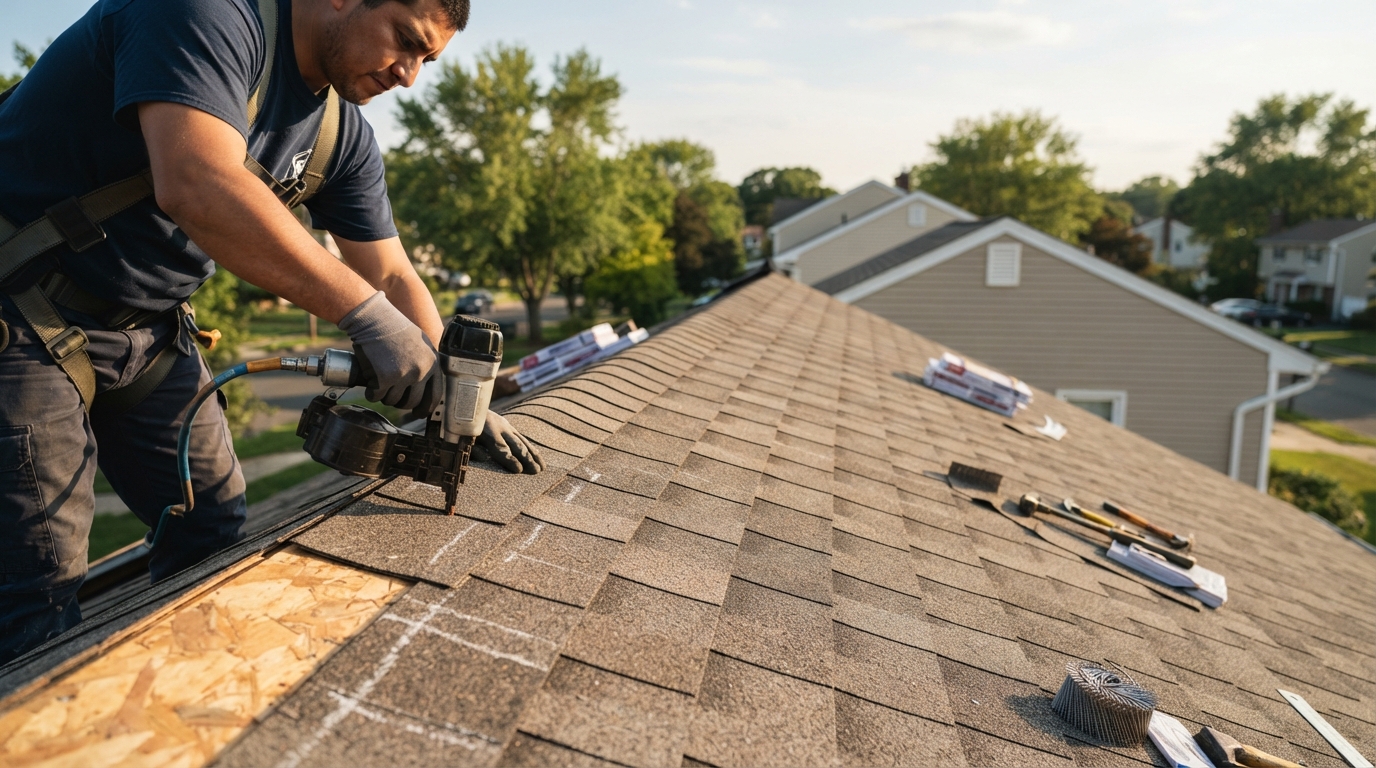
• A safe, durable roof installation depends on proper inspection, material selection, and adherence to local building codes.
• New Rochelle homeowners should weigh asphalt shingles, metal, and flat roofing systems based on climate exposure and roof slope.
• Working with a licensed local contractor helps ensure permits, warranties, and installation standards are properly met.
A safe and durable roof installation in New Rochelle starts with a thorough roof assessment, correct material selection for the region’s coastal climate, and strict adherence to New York building codes. Homeowners who understand these fundamentals are better equipped to compare contractor proposals and avoid costly mistakes.
Choosing a qualified team for Roof Installation New Rochelle NY means looking beyond price alone. The installation process involves multiple technical stages, from tear-off and deck inspection to underlayment and flashing work, each of which affects how long a roof lasts and how well it performs during storms.
Why Roof Installation Quality Matters in New Rochelle
New Rochelle’s location near Long Island Sound exposes roofs to salt air, high humidity, and seasonal wind events that accelerate wear on lower-quality materials. Homes in this area often face freeze-thaw cycles in winter followed by humid summers, conditions that stress roofing membranes and fasteners differently than inland regions. According to the National Oceanic and Atmospheric Administration, coastal wind exposure can significantly increase the load stress on roofing systems compared to inland structures.
A poorly installed roof under these conditions can lead to:
• Premature shingle curling or granule loss
• Leaks around chimneys, vents, and valleys
• Ice dam formation along eaves in winter
• Reduced resale value due to visible wear
Durability is not just about the materials chosen. It also depends on how well the installation crew handles ventilation, flashing, and underlayment details that are easy to overlook.
Comparing Roofing Material Options
Material choice significantly affects both the lifespan and the cost profile of a new roof. The table below outlines common options used in residential installations in the region.
|
Roofing Material |
Typical Lifespan |
Best Suited For |
|
Asphalt Shingles |
20-30 years |
Standard-slope residential roofs, budget-conscious projects |
|
Metal Roofing |
40-70 years |
Homes seeking long-term durability and wind resistance |
|
Flat/Low-Slope Membrane |
15-25 years |
Additions, porches, or modern flat-roof designs |
Each material carries different maintenance needs. Asphalt remains the most common choice for its balance of cost and performance, while metal systems appeal to homeowners prioritizing longevity over upfront price. Flat membrane systems require careful attention to drainage to prevent ponding water, a common issue on low-slope sections.
Key Steps in the Installation Process
A properly sequenced installation reduces the risk of leaks and structural issues later. Most professional projects follow a similar framework, though timelines vary by roof size and weather conditions.
1. Inspection and measurement – The crew evaluates the existing roof deck, checks for rot or sagging, and measures the roof for material quantities.
2. Tear-off and disposal – Old shingles or roofing material are removed down to the deck, and debris is cleared from the property.
3. Deck repair – Any damaged plywood or sheathing is replaced before new material goes down.
4. Underlayment and flashing – A water-resistant barrier is installed, followed by flashing around chimneys, skylights, and valleys to direct water away from vulnerable seams.
5. Material installation – Shingles, metal panels, or membrane sheets are installed according to manufacturer specifications and local code requirements.
6. Final inspection – The completed roof is checked for proper sealing, ventilation, and alignment before the crew clears the site.
Skipping or rushing any of these steps is one of the most common causes of early roof failure.
Permits, Codes, and Safety Considerations
New York State building codes require permits for most roof replacements, particularly when structural repairs or full tear-offs are involved. Contractors familiar with Westchester County requirements can typically manage this paperwork as part of the project scope. Homeowners should confirm that any contractor carries current licensing and insurance before work begins, since this protects against liability in case of accidents or incomplete work.
Weather timing also affects installation quality. Extreme heat or cold can interfere with shingle sealing and adhesive performance, so many contractors schedule major installations during moderate spring or fall conditions when possible.
Frequently Asked Questions
How long does a typical roof installation take? Most residential roof installations are completed within one to three days, depending on roof size, material type, and weather conditions during the project.
What is the best time of year for roof installation in New Rochelle? Spring and fall generally offer the most favorable temperature and humidity conditions for shingle sealing and material handling, though installations can occur year-round with proper precautions.
Do I need a permit to replace my roof? Most municipalities in Westchester County require a permit for roof replacement, especially when deck repairs or structural changes are involved. A licensed contractor can typically confirm and file these requirements.
How do I know if my roof needs full replacement versus repair? Signs like widespread granule loss, multiple leak points, sagging decking, or a roof age exceeding its material’s expected lifespan usually indicate replacement is more cost-effective than ongoing repairs.
Planning Your Next Roofing Project
Selecting the right material, sequencing the installation correctly, and confirming permits and licensing are the foundation of a roof that performs well for decades. Homeowners in New Rochelle who take time to compare contractor practices against these standards are better positioned to avoid premature repairs and unnecessary costs. For those evaluating local options, Expert Roofing of Westchester can be reviewed alongside other providers when researching installation quality and service history in the area.