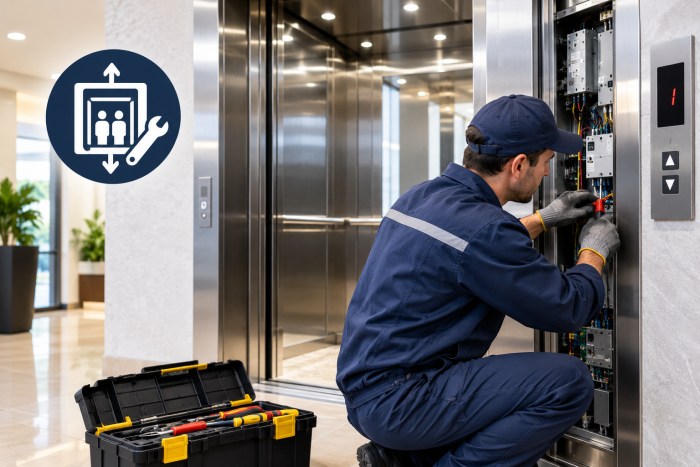
Owning property in New York City comes with a unique set of responsibilities, especially when it comes to maintaining the safety and functionality of building systems. One crucial, often-overlooked requirement is regular elevator inspection. Failing to comply with inspection regulations can lead to significant fines, operational disruptions, and even legal challenges. Many property owners search for Elevator Inspection New York City to stay compliant with city mandates and avoid costly penalties.
Why Elevator Inspections Are Mandatory in NYC
Elevators are a vital part of daily life in New York’s residential and commercial buildings. The city’s dense population and vertical architecture mean many residents and workers rely on elevators every day. Because of this, the New York City Department of Buildings (DOB) enforces strict inspection and maintenance requirements to ensure public safety.
Key reasons elevator inspections are mandated include:
- Safety: Inspections help prevent accidents, injuries, and fatalities caused by malfunctioning equipment.
- Compliance: Regular inspections are required by law. Noncompliance can result in violations and fines.
- Liability: Property owners are legally responsible for the condition of their elevators. Neglecting inspections increases exposure to lawsuits if an incident occurs.
- Operational Reliability: Scheduled inspections help identify potential issues before they become expensive repairs or cause elevator downtime.
Understanding NYC Elevator Inspection Requirements
The DOB requires that all elevators in New York City undergo routine inspections and tests. These requirements include:
1. Annual Inspections
Every elevator must be inspected once per year by a licensed third-party agency. This inspection assesses all major components, safety mechanisms, and overall operation.
2. Periodic Tests
In addition to annual inspections, periodic safety tests must be conducted:
- Category 1 Test: Performed annually, focuses on safety devices and the operation of the elevator.
- Category 5 Test: Conducted every five years, this test is more comprehensive and often requires temporarily taking the elevator out of service.
3. Filing and Documentation
Once inspections and tests are complete, you must submit results to the DOB within strict timeframes. Proper documentation is essential to demonstrate compliance and avoid fines.
Consequences of Missing Elevator Inspections
Neglecting mandatory elevator inspections in New York City can have serious repercussions:
- Hefty Fines: The DOB issues steep penalties for missed, late, or failed inspections. These fines can quickly accumulate, especially for owners of multiple properties.
- Violation Notices: Properties with outstanding violations may have difficulty renewing permits, selling, or refinancing.
- Legal Action: In the event of an accident, lack of inspection records can be used as evidence of negligence, increasing liability exposure.
- Elevator Shutdowns: The city can order unsafe elevators out of service until compliance is achieved, disrupting building operations and inconveniencing residents or tenants.
Best Practices for Scheduling and Passing Inspections
To avoid fines and ensure smooth operation, property owners should adopt the following strategies:
- Maintain a Detailed Inspection Schedule: Track all required inspections and tests for each elevator. Set reminders well before due dates.
- Hire Qualified Professionals: Use only licensed and experienced elevator inspectors and maintenance companies familiar with NYC regulations.
- Keep Comprehensive Records: Store all inspection certificates, test results, and repair documentation in an organized manner for easy access during audits.
- Address Issues Promptly: If an inspection uncovers deficiencies, arrange for repairs as soon as possible. Prompt action prevents minor issues from escalating into expensive problems.
- Educate Building Staff: Ensure building managers and maintenance personnel understand inspection schedules and requirements.
Frequently Asked Questions About Elevator Inspections in NYC
Q: How often do I need to schedule an elevator inspection in New York City?
A: Annual inspections and tests are required by law, with additional periodic tests every five years.
Q: What happens if my elevator fails an inspection?
A: Any safety deficiencies must be corrected promptly, and a re-inspection may be required. Noncompliance can result in fines and a shutdown order.
Q: Are there different requirements for commercial and residential buildings?
A: The basic inspection and testing requirements are consistent, but certain building types may have additional regulations.
Q: Can I perform the inspection myself?
A: No. DOB-approved, licensed professionals must conduct inspections.
Stay Compliant and Protect Your Investment
Staying on top of elevator inspections is not only a legal obligation but also a critical aspect of property management in New York City. By proactively scheduling inspections and addressing maintenance issues, property owners can avoid fines, preserve their investments, and ensure the safety of everyone who uses their elevators.
For property owners seeking a reliable partner for elevator inspections and compliance, Champion Elevator Corp. stands out as a trusted solution, offering expertise and dependable service throughout the New York City area.